
Beyond SEO: Building a Modern Digital Strategy for Remodelers
For years, many remodeling companies have depended heavily on Search Engine Optimization (SEO) to drive client acquisition. The goal was straightforward: achieve top rankings for local service keywords and generate a consistent lead flow. However, the digital environment is transforming. In today’s competitive market, relying exclusively on SEO may no longer be a sustainable strategy.
The proliferation of online content, frequent updates to search algorithms, and the growing influence of alternative digital channels indicate that a narrow focus on SEO could yield diminishing returns. Modern homeowners often seek more than just a high search result—they look for trust, visual proof, and social validation before choosing a contractor. These factors are increasingly becoming decisive in the client’s decision-making process.
To thrive in this evolved landscape, remodeling businesses must expand their digital approach. Consider integrating the following elements into a comprehensive strategy:
Adapting to Search Volatility: Search engine algorithms change frequently. Tactics that drove visibility previously may suddenly lose effectiveness, making organic search alone an unpredictable foundation.
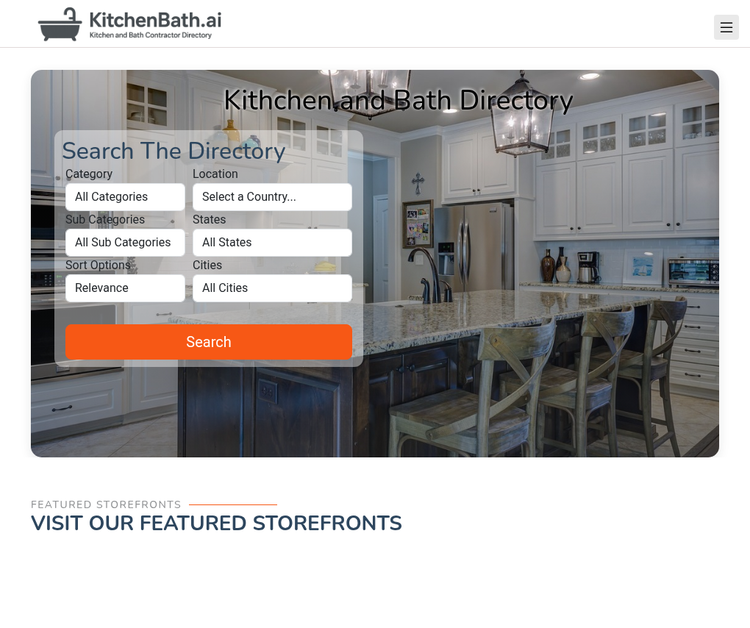
Engaging on Specialized Platforms: Potential clients regularly use niche directories and community-driven sites to find vetted professionals and gather ideas. These platforms provide a curated, trusted experience that broad search engines cannot replicate.
Prioritizing Visual Content: Remodeling is an inherently visual industry. High-quality photos, videos, and interactive renderings on platforms like Instagram, Houzz, and YouTube often capture attention faster and more effectively than text-based content alone.
Cultivating Reputation and Community: Active reputation management, genuine customer reviews, and direct engagement on relevant platforms build credibility in ways that organic ranking cannot. Specialized communities—such as those focused on promoting exceptional kitchen and bath design—highlight the shift toward interactive, trust-based marketing.
Incorporating Strategic Advertising: Targeted paid campaigns can complement organic efforts by quickly reaching specific audiences, testing new markets, and capturing intent that SEO might not immediately address.
A forward-thinking digital presence for remodelers now blends sustained SEO efforts with authentic community involvement, visual storytelling, and strategic use of both niche and broad-platform advertising. Depending solely on search rankings is akin to building a business on shifting sand.
What has been your experience? Have you observed changes in how effective SEO is for attracting remodeling clients? Which integrated strategies have you found most successful in today's digital environment? We welcome your perspective.
The proliferation of online content, frequent updates to search algorithms, and the growing influence of alternative digital channels indicate that a narrow focus on SEO could yield diminishing returns. Modern homeowners often seek more than just a high search result—they look for trust, visual proof, and social validation before choosing a contractor. These factors are increasingly becoming decisive in the client’s decision-making process.
To thrive in this evolved landscape, remodeling businesses must expand their digital approach. Consider integrating the following elements into a comprehensive strategy:
Adapting to Search Volatility: Search engine algorithms change frequently. Tactics that drove visibility previously may suddenly lose effectiveness, making organic search alone an unpredictable foundation.
Engaging on Specialized Platforms: Potential clients regularly use niche directories and community-driven sites to find vetted professionals and gather ideas. These platforms provide a curated, trusted experience that broad search engines cannot replicate.
Prioritizing Visual Content: Remodeling is an inherently visual industry. High-quality photos, videos, and interactive renderings on platforms like Instagram, Houzz, and YouTube often capture attention faster and more effectively than text-based content alone.
Cultivating Reputation and Community: Active reputation management, genuine customer reviews, and direct engagement on relevant platforms build credibility in ways that organic ranking cannot. Specialized communities—such as those focused on promoting exceptional kitchen and bath design—highlight the shift toward interactive, trust-based marketing.
Incorporating Strategic Advertising: Targeted paid campaigns can complement organic efforts by quickly reaching specific audiences, testing new markets, and capturing intent that SEO might not immediately address.
A forward-thinking digital presence for remodelers now blends sustained SEO efforts with authentic community involvement, visual storytelling, and strategic use of both niche and broad-platform advertising. Depending solely on search rankings is akin to building a business on shifting sand.
What has been your experience? Have you observed changes in how effective SEO is for attracting remodeling clients? Which integrated strategies have you found most successful in today's digital environment? We welcome your perspective.
 Facebook
  Instagram
  Youtube
  LinkedIn
  TikTok
  X (Twitter)
  Reddit
  SnapChat